
Key Highlights
-
Artificial intelligence is fundamentally reshaping B2B customer engagement by automating repetitive tasks and delivering data-driven insights.
-
AI tools empower sales teams to personalize communication at scale, moving beyond generic outreach to build genuine relationships.
-
Through predictive analytics, businesses can now anticipate customer needs and identify high-intent buyers with greater accuracy.
-
Conversational AI and intelligent chatbots are revolutionizing customer support, providing instant responses and freeing up human agents for complex issues.
-
AI adoption enables sales and marketing teams to create more effective strategies based on real-time data, accelerating revenue growth.
-
Workflow automation streamlines sales processes, allowing sales teams to focus on high-value activities like closing deals.
Introduction
Many companies in B2B still use old ways to reach out to customers. They try things by hand and trust their gut. This does not work well anymore, as the world is now more about going digital first. The use of artificial intelligence is not just something nice to have. It is needed if you want your business to stay strong. New AI tools can help sales teams and work much better than old methods. If you do not use artificial intelligence as part of your marketing strategies, your company could get left behind. These tools let you use real data, not just guesses, for better customer engagement and help sales teams connect with more people. It is time for everyone to move ahead with these new tools to make B2B work better and get good results.
How AI is Transforming Customer Engagement in B2B
 Artificial intelligence is not just an idea of the future. Now, it is changing the way companies handle B2B customer engagement. It does more than just run marketing automation. By using machine learning, companies can look at large sets of data, find hidden patterns, and guess what people might do next. This helps companies talk with their clients in a smarter and more proactive way.
This big change can be seen in how businesses use personalization, lead qualification, and support. AI now lets companies avoid sending general campaigns to everyone. With artificial intelligence, chats with customers are now tailored, fitting what each person really needs. This new way of working is changing B2B relationships at their core. Let’s look at some of the main ways this technology is making a difference.
1. AI-Powered Personalized Communication
Generic messages that work for everyone are now outdated. AI-powered personalized communication lets you shape your message using deep knowledge of customer behavior. When you use natural language processing and look at previous interactions, AI tools can help you write messages that talk about real pain points and interests, so your reach is much more effective.
Personalization with AI is not just about using a customer’s name in an email. AI agents also help in B2B sales by checking a prospect’s past relationship with your brand, what they do on your website, and how they act on social media. With all this data, the AI gives you content and good conversation starters that are right for each person and do not sound fake or automatic.
Think about a system that can figure out what your customer needs—even before they say it. That is the power AI brings you now. These use cases show how things are changing—from sending out one message to many, to having good one-on-one talks at scale. When you do this, you make better relationships and get more people to take action.
2. Automated Lead Generation and Scoring
It takes a lot of time for your sales team to look through leads by hand to find the right ones. AI is now changing lead generation for B2B companies. The process is faster because AI tools can handle most of the work. The tools use data from website visitors, social media, and other data sources. They look for people who could be potential customers who match what you need. Then, these tools add a good flow of qualified leads into your sales funnel.
When AI picks out a lead, lead scoring starts. This is when AI checks each one using many facts like who they are, what they do online, and how much they take part. Lead scoring makes it easy to put the best leads first. Sales teams can then reach out to customers who are more likely to buy. This lets your team spend time on leads that matter the most.
Letting AI tools guide your lead generation saves time and brings actionable insights. The data shows which leads are hot and which should wait. Your sales team can get in touch with the right prospects at the right time. This way, your whole sales plan gets better, and you get more from your work with less guesswork.
3. Real-Time Customer Insights and Analytics
Waiting for quarterly reports to find out what your customers want can make you lose business. One big benefit of using AI in B2B marketing is that it gives you real-time information about your customers. AI keeps looking at customer data all the time. This data can be from your website, email opens, and social media. Because of this, you always know what your customers are doing.
AI runs this steady stream of information through data analytics. It can spot new trends, see changes in customer feelings, and warn you about risks or chances as they happen. You do not have to count on old historical data to guess what will happen next. You can act right away based on what your customers do now.
With all this, you get a lot of actionable insights. Your marketing or sales teams can use this real-time knowledge to tweak campaigns, talk to people in a way that matters to them, and quickly answer customer concerns. This makes you work well and fast, which gives you your competitive edge.
4. Predictive Sales and Marketing Strategies
Just looking at what happened before will not help you plan for what comes next. It’s like driving a car while only looking in the mirror for what is behind you. Predictive analytics uses AI to show what could happen in the future. It gets things right most of the time. New trends in AI, especially for B2B marketing and sales, depend a lot on this. Teams use it to move from just reacting to things, to getting ahead and being ready.
Predictive models go through your historical data, updates about market trends, and what each customer’s actions tell you. With this, they can see which accounts are most likely to get your product, when they will be ready, and even what you should say to them. It helps you use the right marketing strategies and cut down the sales cycles, because you know where to put the most effort.
This kind of looking ahead lets your teams come up with smarter ways to reach people. Your team does not just try everything and hope for the best. You can focus on certain groups, send them special offers, and look for problems like losing customers before they show up. It also helps you spend your budget where it counts the most. Predictive analytics makes your data work for you so your business can grow and keep growing.
5. Conversational AI Agents for Outreach
Your sales reps should not have to spend all day doing cold or repeat outreach. AI agents can help B2B businesses by taking care of the first steps in talking to customers. This lets your team spend more time on important talks. These AI agents use natural language to reach out, help leads, and see who is a good fit. They work as part of your sales force and are always ready to help.
AI agents are not like simple programs. They can understand the meaning and details in customer interactions. They can answer early questions, share helpful info, and know when a lead is ready to talk to a real sales rep. This smooth process makes sure your team only talks with leads who want to hear more.
There are many benefits of using AI agents for outreach:
-
Increased Efficiency: Handle many first contacts and still keep things personal.
-
Consistent Follow-Up: Make sure no lead is forgotten by staying in touch at the right time.
-
Improved Lead Quality: Remove leads that do not fit, so your sales reps can close better deals.
6. Intelligent Chatbots for Customer Support
Slow response times to simple questions often make customers unhappy. Intelligent AI chatbots can give quick, 24/7 customer support. They solve common issues right away and allow your team to focus on more complex problems. These chatbots are not like the old keyword-based bots. Now, modern AI chatbots use natural language processing, which helps them understand and answer user questions with high accuracy.
You can see real-world AI in B2B sales where chatbots do much more than answer questions. For example, they guide users to the right resources, collect info for sales professionals, and even set up demos or meetings in the chat. This turns your website into something more interactive and helpful, increasing customer experience.
Key advantages of using intelligent chatbots include:
-
Instantaneous Resolutions: This greatly cuts down response times for common issues.
-
24/7 Availability: You can give support at any time, no matter the time zone or holiday.
-
Scalable Support: The bots can handle many conversations at once, and there is no drop in how well they help.
7. AI-Driven Account-Based Marketing
Account-based marketing (ABM) asks you to really know your target accounts. But it can be tough to get there, especially when you do it by hand. AI-driven ABM helps by using data analytics. It points out which accounts are worth the most and shows you what these customers need. This is how you can move past basic campaigns and instead offer each top prospect a special touch that speaks to them.
As you look at different marketing tools for B2B sales, try to find AI features built for ABM. Features like predictive account scoring and quick content generation make a difference. These tools use things like an account’s firmographics, their intent data, and details from past contact to offer the best steps forward. They even help make content and messaging that talk right to what the big contacts in these accounts care about.
With AI, you make your ABM strategy more sharp and strong. Most teams use their time and money on accounts with the best revenue chance. You get to connect by using the right content and you make sales and marketing teams work together as one. At the end of the day, this means you can get bigger deals done in less time.
8. Dynamic Content Recommendation Engines
Showing the same static content to every visitor is a missed chance. Instead, dynamic content recommendation engines use AI tools to change what people see. These tools help improve the customer experience by suggesting the right articles, case studies, or whitepapers. They do this by looking at each user’s interests and the way they move around your site. This makes your content marketing active and much more helpful, instead of just being a simple set of pages.
Some top AI tools for B2B work really well with marketing automation platforms. As people go through your website, the AI learns what they like. It changes the content on the page based on what each person needs. For example, if someone looks up prices, they get a case study that talks about return on investment. If a person is just starting out, they might see a blog post that covers the basics.
When you use this kind of smart content system, you give every visitor what they want, which does more than bring in attention. It helps move leads along the buying path by giving them useful details at every step. Because of these AI tools, you give a better and more helpful customer experience. This builds trust and turns your brand into a great resource for people.
9. Workflow Automation for Sales Teams
Your sales teams spend too much time on things like data entry and updating the CRM instead of selling. Workflow automation driven by AI can help your team. It takes care of the small, repetitive sales tasks so your reps do not have to do them. This means your people can spend more time talking to customers and making deals.
AI agents can handle B2B sales workflows in a smart way. For instance, after a sales call, an AI agent can log what happened in the call, write down what was said, put the right things in the CRM, and set up the next step. This kind of sales automation helps make sure every step gets done the same way for everyone on the team and that nothing gets forgotten.
Letting workflow automation do these important but slow tasks helps get more done and cuts down on mistakes. This makes your CRM a source your team can trust. Your sales teams can work quicker and better, which leads to faster sales cycles and more revenue.
10. Enhanced Customer Segmentation with AI
Simple, broad customer groups are not enough now for strong marketing. Using AI tools, marketing teams can find new and detailed ways to segment their target audience. These AI tools break down groups based on things like actions, needs, and intent. The best ai tools for B2B marketing right now use data analytics to spot these details.
With AI, it is possible to look at very large sets of data. The tools find patterns people just cannot see. This helps you go past simple segments, like “small businesses.” Now, you can make micro-segments, such as “companies in the tech sector that have looked for CRM integration solutions.”
When you use this type of data analytics, you get tiny, focused groups. This lets you run targeted marketing that gets higher interest from people. You also get these main benefits:
-
Deeper Personalization: You will be able to send messages that match the pain points for every micro-segment.
-
Improved ROI: You can spend your marketing budget only on people who are likely to buy from you.
-
Greater Agility: You can spot new customer groups fast and target them, along with new chances in the market.
11. AI-Optimized Email Campaigns
Just sending mass emails and hoping for good results will not help your business. You may end up with your message in the spam folder. When you use AI for your email marketing strategies, you get to make each part of your campaign feel personal. The AI helps with everything. It helps write subject lines, bodies, and call-to-actions that stand out. This way of working, which uses data, helps you get better open rates, more clicks, and higher conversion rates.
If you are looking for tools to boost your B2B sales, find the ones with AI features. Look for things like large-scale A/B testing, send-time picks, and content tips. These will let the AI find out what works best for your audience. Your tools can try many options for your marketing materials and pick out the best choices.
AI can also watch what each person does to help you pick a good time to send your emails. This means the message gets to the person when they have time to see it. With this AI optimization, your email marketing is not just lucky or random. It turns into a smart way to keep leads warm and grow your sales.
12. Voice and Language Processing Tools
Sales calls hold a lot of important information, but most of it is lost right after the call is over. AI tools, like voice and language processing, can be used to capture, transcribe, and look at these talks. This turns a mix of sounds into clear, actionable insights. Natural language processing, or NLP, is able to figure out what is said, while voice tools can also look at how something is said and what feelings are behind it.
Some of the best AI tools for B2B marketing right now, like Gong, do a great job with this. They can pick out main topics, follow when someone talks about other companies, and find the words your top salespeople use. This gives your team a lot of helpful feedback to use for training and coaching.
When you take the time to go through all your sales calls, you can get better at helping your customers because you see the same problems and pain points again and again. You can make your sales scripts better, collect good product feedback, and make sure everyone tells people what is good about what you offer in a clear way. This means every sales call can help your team get better.
13. Smart CRM Integration
A CRM is useful only if the data inside it is good, but doing data entry by hand can slow things down. So, smart CRM integration is a key first step for anyone who wants to use AI tools in their B2B sales strategy. When AI tools connect with your CRM in a smooth way, they can handle data entry, improve your records, and help make sure your info is always right and up-to-date.
With this kind of integration, you get more than just data matching. AI can look at the CRM data and give sales representatives tips right in their sales workflows. For instance, it might point out if an account is at risk because the customer does not talk much anymore, or it could suggest cross-selling something if a customer starts showing interest in new things.
By adding smart features to your CRM, you turn it from a tool that just holds info into a helper for your sales team. This can make your team better at building customer relationships, seeing chances to make new deals, and spending more time on big-picture work instead of just data entry. In the end, it helps the team do better and helps your business grow.
14. Advanced Data Management Solutions
Poor data is the Achilles’ heel of any AI initiative. One of the biggest challenges companies face when adopting AI for B2B is dealing with messy, incomplete, or siloed information. Advanced data management solutions powered by AI address this head-on by automating the process of cleaning, standardizing, and integrating data from multiple data sources.
These solutions tackle the tedious work of manual data entry and correction, which is a primary cause of low data quality. By using AI to identify duplicates, fix formatting errors, and enrich records with third-party data, you ensure that your AI models are built on a solid foundation.
Without high data quality, your AI will produce flawed, unreliable results. These advanced systems turn chaotic data into actionable insights, providing the clean fuel necessary for effective AI-driven strategies.
|
Challenge |
AI-Driven Solution |
|---|---|
|
Duplicate Records |
AI algorithms identify and merge duplicate contacts and accounts. |
|
Incomplete Data |
AI automatically enriches records with missing firmographic data. |
|
Inconsistent Formatting |
AI standardizes fields like job titles, addresses, and phone numbers. |
|
Data Silos |
AI integrates data from disparate sources into a single, unified view. |
15. Personalization at Scale
It is not possible to give each customer a truly personal experience by doing the work by hand. But with AI and marketing automation, you can use deep insights to help make every user feel special. This lets you treat each one like they are your only customer. You get stronger customer engagement and they stay loyal.
AI agents can help with B2B sales by using predictive analytics. They get to know what each customer needs or likes. Then, they use this to automate content creation and when or how to send it to someone. For example, AI can put together an email or webpage with words and deals that fit one person the most.
This goes far beyond putting a person’s name in an email. It builds one journey just for them and shares content made for what they need or want. Using AI agents for personalization at scale helps make a great customer experience. It helps you stand out and keeps people coming back.
16. AI for Cross-Selling and Upselling
Do not leave cross-selling and upselling to luck. When you do, your business could lose money. One good way to use machine learning in a B2B sales plan is to let AI find these chances to get more money from each sale. The AI looks at sales data and customer interactions to guess which people are most likely to want more products or services.
These systems can spot things in sales data that people might not see. For instance, AI may see that customers who use one part of your product are likely to want something extra that goes well with it. AI can tell the sales team about this at just the right time and give a strong tip that is based on data.
When you find these chances early, machine learning can help you get more value from each customer. Your team does not have to wait for a sale to come to you. They can reach out and offer a good mix of cross-selling and upselling at the right time. This lets you make more money from the customers you already have and also gives them a better time with your brand.
17. Behavioral Tracking and Engagement Prediction
Knowing what a customer will do next is key in sales and marketing. One big reason to use AI in B2B marketing is that it helps you go beyond simple tracking and makes it possible to predict how people will interact with you. AI takes a close look at digital signs, like when they visit your website, download content, or open an email, to guess what they may do next.
This power to predict turns simple data on customer behavior into useful and clear steps. AI can rate a lead’s engagement, guess if that lead will become a customer, and help your sales team focus their work where it matters most. It helps you see which accounts show buying signals and which do not, making sales cycles shorter.
Think about how helpful it would be to know which prospects are ready for a sales call before they ask you for one. Engagement prediction lets you reach out at the right time, with the right message, and to the right people. This makes things smoother, faster, and better for your customers and your team by using real-time actionable insights.
18. Automated Meeting Scheduling and Follow-ups
The endless back-and-forth that comes with setting up meetings can really eat into your work time if you are a sales rep. AI agents handle these repetitive tasks so your team can focus on other things. With automated scheduling tools, you can connect your reps’ calendars. Prospects can book a spot that works for them with just one click. That means you don’t have to deal with long, annoying email chains.
AI tools help with more than setting up the first meeting. These tools can send out follow-ups if your prospect doesn’t reply to a proposal or misses a call. The AI will send polite and steady reminders. This makes sure you do not miss a chance because someone forgot to follow up.
These AI tools are there to help your sales team save time by doing things like:
-
Calendar Coordination: The tools look for times that work for everyone with no manual work.
-
Reminder Notifications: The AI sends reminders to your team and the prospect. This helps lower missed meetings.
-
Post-Meeting Follow-ups: The AI sends an email after a meeting with a summary or the next steps.
With these ai tools, a lot of repetitive tasks can be handled, so sales reps can spend their time on the things that bring in results.
Key Benefits of Using AI in B2B Customer Engagement
 The benefits of AI in B2B customer engagement are more than just getting things done faster. When you use AI tools, you give your sales teams the data analytics they need. This helps them make smart choices quickly. With this technology, you do not just react to what happens—you start to get ahead. You can see what your customer needs before they ask for it. You also get to make every interaction personal, even when you have a lot of people to talk to.
In the end, using AI is really about seeing clear changes in your business. You can grow your sales faster, see your people work better, and make your customers happier. These improvements show in every part of your company. The next sections will talk about these key advantages, so you can see why AI tools are now a must-have for B2B companies that want to stay ahead.
Improved Efficiency and Productivity
One of the main things you get right away from using AI tools in B2B marketing and sales is a big jump in how fast and well your team can get work done. Many people on a team spend their days doing repetitive tasks like data entry, lead qualification, and setting up meetings. These types of jobs take up a lot of time that could be better used to build customer relationships or do important projects.
Sales automation and AI tools can handle these tasks for you. For example, an AI can keep your CRM updated, figure out which leads are best, send follow-up emails, and set up calendars. They do all of this without needing help from people. This gives your sales and marketing team more time to get out there, talk to customers, and close more deals.
When AI takes care of these time-consuming jobs, your team is not just faster—they are also better at their work. With more time for the things that matter, their overall output goes up. This big boost in efficiency means your sales process moves smoother and your numbers look better in the end.
Greater Personalization Across Touchpoints
In a busy market today, using the same message for everyone doesn’t work well. AI agents can help make things more personal at every step, which is hard to do by hand. With ai agents, B2B sales can get better because the message can be shaped to match the real customer needs. This helps grow customer engagement, starting from the first contact and going all the way to the final sale.
AI looks at what a customer does, their company information, and how they talk with your team. It uses this to get the real story behind their choices and problems. This smart data lets you change your marketing strategies right away, so every email, website visit, or sales chat will matter to them, in real time.
This level of deep and true personalization always shows, no matter how the customer talks to your brand. Some good ways this works are:
-
Dynamic Website Content: Get your visitors to see case studies or blog posts that fit their interests the most.
-
Personalized Email Campaigns: Make emails that talk about pain points the person has and what they care about the most.
-
Informed Sales Conversations: Give your team ideas for better calls, so they can have more real and useful talks.
This new way helps you see what is good for your customers, give them more value, and build trust over time.
Enhanced Customer Satisfaction
A good customer experience helps a business stand out, and AI plays a big part in making customers happy. One of the top things about using AI in B2B marketing is that it can give fast, useful, and steady support. People do not have to wait for a sales rep to help with simple things.
AI-powered customer support tools, like smart chatbots, help answer questions right away, all day and night. If the problem is harder, AI can get the first bits of info and send the customer to the right person. This will help fix things faster and better. When you answer people quickly, they know that you value their time.
Also, AI gives your team clear, actionable insights that help them boost the customer experience. By looking at feedback and how people talk to your business, AI can pick up on where people often get stuck. This helps you solve issues before they grow. In the end, this leads to happier people who want to come back and use your business again.
Data-Driven Decision Making
Trusting your gut or using old information is not a good way to run the business. AI brings a time where the decisions you make are based on sales data, not guesses. The new trends for AI in B2B marketing and sales help turn big piles of sales data into clear and actionable insights for your marketing teams and sales leaders.
AI tools with strong data analytics can look at a lot of data and give you answers in real time. They find sales trends, show you the best customer groups, and tell you the real results from your marketing spend. This means you do not have to guess on big choices at work.
Your marketing teams and sales leaders do not have to go by gut feelings in meetings. They can look at what the sales data shows. When you make choices with data and not just opinion, you can give your team and time to the right things. You will feel sure about your strategy and will change fast if the market does. Making choices based on data is how your company gets steady and sure growth.
Accelerated Revenue Growth
The main goal of any business is to grow its income. This is one of the best things about using AI in B2B marketing. AI tools help bring in more money by making every part of your sales and marketing work better. This starts with lead generation and goes all the way to closing a deal. You can get more done in less time, with less effort.
With ai tools for marketing automation and lead qualification, your sales team can focus on people who are ready to buy. This helps you get better conversion rates because your team is talking to high-quality leads first. AI gives your sales team insights so they can talk to buyers in a better way and close deals faster.
AI makes sales cycles shorter and helps you win more deals. This means your income goes up in a way you can measure. The benefit is not just about working faster, but about turning more leads into customers. With AI, you create a strong way for steady revenue growth.
Essential Features to Look for in B2B AI Tools
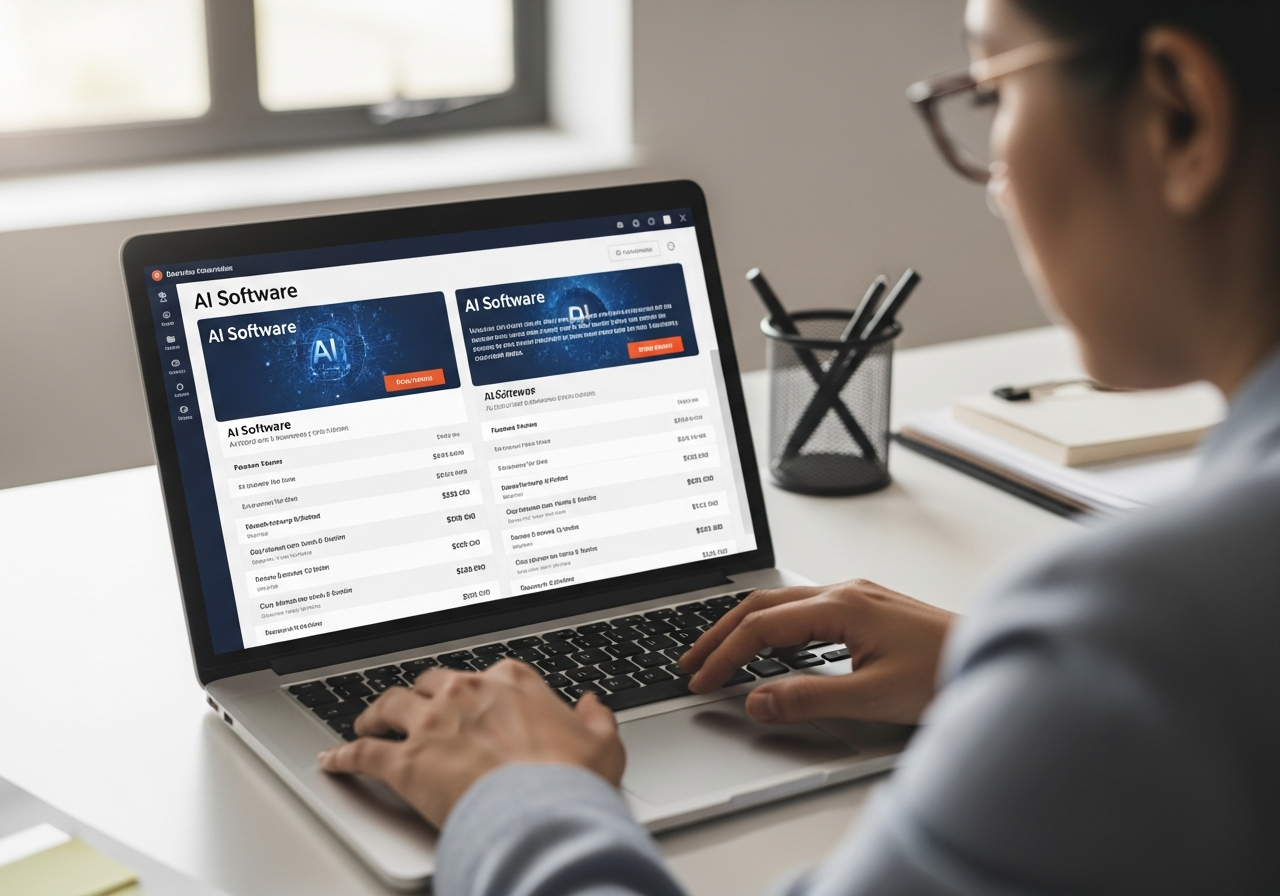 Not all ai tools are the same. If you are a sales professional, you need to look past the hype and focus on ai features that give real value. You want a platform that can work with your current marketing tools and how you work. It should not make you start over from the ground up.
A good B2B ai solution should give you smart tools, let you use it in different ways, and keep your customer data safe. It should fit right in with the tech your team already uses. It needs to grow with your business. It must also help you keep your customer data safe. The next parts will show you the must-have features so you can choose a tool that really helps with customer engagement.
Integration Capabilities with Existing Platforms
An AI tool that works alone can slow you down instead of helping. If you are thinking about what AI features matter most in B2B sales, try to focus on how well it works with what you have now. You likely already use different marketing tools and a CRM, so your AI tool needs to work with them.
Find tools that connect well with your CRM. The AI has to get data from your CRM and also send data back—no need for you to do data entry by hand. This helps you keep your data clean and keeps your sales workflows working well.
When your AI tool fits in with all your other tools, it feels like a part of your team’s setup. The team can use it with what they already know, so it does not mess up the way they work now. This makes it easy to get started and makes your investment worth it.
Scalability and Customization Options
Your business changes over time, and your ai tools need to keep up. It is good to pick ai features that let you scale up or shape the system to fit your needs. These things matter for any company, including sales teams that want better marketing automation. The right platform can help you now if you have a small team. It should also help you later when your team gets bigger, or your needs get more complex.
Check if the ai tool can take on more users or handle more data without getting slower. When a system has scalability, it can grow with your company. So, if you add new sales teams, go into another market, or try advanced marketing automation, the tool will still work. Steer clear of setups that need a lot of money to replace later.
Customization also matters. Your business has ways of working and goals that are not the same as other companies. You must be able to change things like workflows, scoring methods, or the way you talk to clients in the tool. If the ai tool is too rigid, it will not work well. It may even slow down your sales teams and stop you from using ai tools in the best way.
Security and Compliance Support
Today, we all pay more attention to our data. Security and following rules are not things to think about later. Businesses have one big problem when they start using AI tools for B2B: how to keep their customer data safe. When you give an AI tool info from your data sources, you need to know that it has strong safety steps in place.
You should check every AI tool for their safety steps like data encryption, who can access what, and if they do regular checks for safety issues. The people selling the AI tool must tell you clearly how they handle your data and how they stop others from getting to it. This is something you cannot skip.
The AI tool also needs to help you follow rules like GDPR and CCPA. It should have tools that help you meet the law with handling customer data privacy and getting the right permissions. Picking a team who puts safety and rules first keeps your customer data safe. It also protects your business from big money troubles or legal problems.
User-Friendly Interface and Experience
Even the most powerful AI tools are no help if your team finds them hard to use. Your sales professionals and marketing teams need an easy-to-use interface and a good user experience for the tool to work. The best ai tools for B2B marketing give you great features and simple design. You do not need to be a data expert to use these tools.
Your sales professionals and marketing teams stay busy. They need ai tools that make their work easier, not harder. Make sure the platform is clean, easy to move through, and has help for getting started. Your team should be able to find insights, set up campaigns, and see how they do without trouble.
Get a demo of the platform before you buy it. Let your sales professionals and marketing teams test it. Listen to what they say about how it feels to use the tool. If it is slow or not clear, people will not use it, and you will not get what you want out of the AI tool. When the platform is easy to use, the ai tools can truly help your team do well.
Common Challenges When Adopting AI in B2B
 AI holds great promise. Still, the road to making it work well has many bumps. Many sales leaders and marketing teams do not see how hard it can get. They can be caught off guard by problems. This can lead to a rollout that does not go as planned and does not give the results you want. The trouble can start with bad data and go to people inside your group not wanting to change. Any one of these can throw your AI project off track.
Not seeing these setbacks ahead of time is a big mistake. If you want to get the most out of AI, you have to expect what could go wrong. Then, the steps you take should help you get around these issues. In the next parts, you will find out what problems can happen most in B2B AI adoption. You will also get tips to help your marketing teams and sales leaders handle these problems in a better way.
Overcoming Poor Data Quality
Garbage in, garbage out. This saying is very true when you use AI. Many companies run into trouble with AI in B2B because their data is not good. If you give your AI models bad data, like data that is wrong, missing pieces, or not the same across systems, you will get poor predictions and can’t trust the actionable insights.
The main problem starts with data entry that is not the same each time, and with data from many different systems. For example, your CRM and your marketing automation system might not match and might even show different things for the same customer. These mixed-up data sources create “dirty data.” You have to clean up and make your data match before you can hope for any AI adoption to be useful.
To fix this, you need a smart way to handle your data. Use tools and steps that help with cleaning your data and adding helpful details. Set up good rules so all new information you put into your systems is correct from the beginning. Focusing on top data quality is the first and most important step if you want your AI adoption to work well.
Addressing Privacy and Security Concerns
As ai tools get used more with customer data, there are new worries about privacy and security. Many companies feel that the big job when using ai tools for B2B is to keep that data safe and not let these systems put it at risk. If there is a break-in, or something goes wrong with the rules, it can hurt your business and the way people see you.
You need to take a close look at how any ai tools handle security and follow the rules before you use them. Don’t just believe what a company says. Make sure you ask how they look after customer data, what kind of protection they use, and if they follow things like GDPR.
To cut down on these risks, your business should:
-
Conduct Thorough Vendor Vetting: Check who is giving the ai tools, and ask for proof that they follow all the right rules and are trusted with security.
-
Implement Strong Internal Policies: Make clear rules for how you use customer data in ai tools.
-
Anonymize Data Where Possible: Use made-up names or mixed-up customer data where you can when ai tools learn from it. This helps keep the risk down.
Managing Change Within Teams
Technology is simple, but people can be hard. The big challenge with ai adoption in B2B comes from the inside. It happens in sales teams when there is change. Sales leaders can not just give a new tool to their sales teams and think they will use it right away. People sometimes feel scared, do not trust the new things, or do not see how it helps.
It is important to manage change well. It starts with what leaders say. They need to talk openly about why this new technology matters. Let your team know that marketing automation and ai tools are not put in to take their place. These tools are here to help, and to take care of boring jobs so people can do more important work and be more successful.
Get your sales teams involved when you pick out and start new ai tools. Make sure there is strong training and help as they learn. When you win early with these tools, let people know. Talk about what works by sharing best practices. That will help everyone get on board. When you make ai adoption about people, not just the tools, the ones who doubt ai tools can start to trust them. This is how sales leaders help teams do well and use marketing automation and ai tools the right way.
Avoiding Implementation Pitfalls
A rushed or not well thought-out AI adoption is likely to fail. To do it right, you need to take your time and have a clear plan. One problem many companies run into when starting with AI for B2B is that they try to do too much at once. They try to solve all their pain points or issues instead of picking one main use case where AI can help the most.
Start by looking at the biggest pain points in your current sales process. Where do you see the biggest slowdowns? Which repetitive tasks take up most of your team’s time? Pick one clear problem for AI to solve. For example, you might choose lead scoring or meeting scheduling.
Here are best practices for a smooth AI adoption:
-
Start Small: Try the AI tool with a few users first. This helps you find and fix problems early. It also shows the value of AI.
-
Define Clear Metrics: Set goals for what you want AI to change, like boosting conversion rates by a certain amount.
-
Iterate and Improve: See AI adoption as an ongoing process. Get feedback, make changes, and improve your approach over time.
Conclusion
To sum up, using AI for B2B customer engagement is now more than a trend. The truth is, it has become something you need if you want your company to do well and stand out in the market. When you start using AI, your business can see big changes. There can be better personalization, more speed in your work, and a boost in customer satisfaction. But, it is also important to handle common issues with AI adoption, like data quality or privacy problems. If you jump in and work through these, you may see revenue grow faster and learn more about your customers. If you want to change your customer engagement game and need some help to get going, ask for a free consultation. It could be what helps your business go to the next step in the future.
Frequently Asked Questions
How can my business start integrating AI into our B2B sales strategy?
The first step is to find the biggest problems in your sales process. Use ai tools that can help with the main pain points, such as lead scoring or workflow automation. This will give your sales reps more time to work on other tasks. Pick a solution that works well with your current CRM. Start with a small pilot project so you can show its value before you make it bigger.
What trends are shaping the future of AI in B2B customer engagement?
The future of AI in B2B customer engagement is being built by machines that use machine learning and predictive analytics. Now, companies can reach many people in a way that feels personal to each one. One big market trend is the use of autonomous ai agents for both getting in touch with customers and helping them. Companies also use real-time data to know what customer needs will be, so they can act fast and reach out before problems come up.
Which real-world examples showcase successful AI adoption in B2B sales?
Some successful use cases of AI adoption are seen in companies like Salesforce and HubSpot. They use AI for lead scoring, which helps sales professionals know who to focus on first. Another use case is with Gong. Gong looks at sales data from calls and gives actionable insights for coaching. This helps teams work better and win more deals.