Key Highlights
-
Stop relying on outdated sales funnel optimization tactics; AI is no longer a secret sauce but a required ingredient for success. If you’re looking for simple guides, there are many resources available online that walk you through using AI for sales funnel optimization, from automating lead scoring to crafting personalized emails. Boost customer engagement by using AI to deliver hyper-personalized content and interactions at every stage of the funnel.
-
Leverage machine learning to analyze vast data sets, moving beyond guesswork to predict customer behavior with precision.
-
Boost customer engagement by using AI to deliver hyper-personalized content and interactions at every stage of the funnel.
-
Drive higher conversion rates by automating tedious tasks, allowing your sales team to focus on building relationships and closing deals.
-
Embrace intelligent automation to create a self-optimizing sales process that adapts in real time to market changes.
-
AI tools don’t replace your team; they augment their abilities, making your sales efforts smarter and more effective.
Introduction
Your old sales funnel may be losing you money. If you use the same, unchanging path for every customer, you are not keeping up. It is time to stop guessing and use a system that learns what works. An AI sales funnel is not just something you’ll see in the future. It is an important change your sales process needs right now. When you add AI, your team gets help around the clock. This support makes every interaction personal and helps your sales funnel change for the better on its own. You move from reacting to problems to predicting what people want.
Understanding AI in Sales Funnel Optimization
 Using artificial intelligence in your sales process does more than just save time. It helps make your whole system smarter. An AI sales funnel uses data to learn about customer behavior. You can see how people think and act in this system. This helps you get better results in your marketing and sales funnel with more accuracy.
This move from hands-on work to AI-powered insights is now a big part of sales funnel optimization. You do not have to wait and react to sales trends anymore. You can start to guess what will happen next. This guide will show you how AI changes every stage of the funnel, from start to finish.
What is a Sales Funnel and How Does AI Fit In?
A sales funnel is a simple way to show the path you create for a potential customer. You guide them from the first time they know about you to when they make a purchase. This conversion funnel often has steps like Awareness, Interest, Desire, and Action. In most cases,Moving people through these steps needs a lot of guesswork and manual work.
This is when AI comes in to help. Rather than using one fixed path, AI can make the customer journey flexible and quick to adjust. It handles processes by looking at data in real time. it makes content personal and expects what your potential customer will do next. This changes your usual sales funnel into a smart AI sales funnel.
When AI takes over jobs like sorting leads, creating outreach that feels personal, and examining data, it lets your team spend more time on tasks that matter most. AI also makes sure your message gets to the right person at the right time. This makes everything run better and is easier on your team.
Key Benefits of Using AI for Sales Funnel Management
Using an AI sales funnel is not just to go with changes in the market. It gives you a big advantage over others. It helps with many issues that most teams face in their sales process. With AI, your group can turn customer data into more money by using it in a smart way. It looks at data with speed and great accuracy. This gives new intelligence to the way you work.
Using predictive analytics lets you stop reacting after the fact. You can start to know what customers want before they ask for it. With this, you get to be one step ahead at all times. The best AI tools fit right into what you have now and bring all these benefits.
Key benefits include:
-
Improved Lead Targeting: AI looks at a lot of customer data to find the best leads for your team. You do not have to spend time on people who do not want to buy.
-
Enhanced Efficiency: It is easy to let AI do dull jobs like lead scoring and sending out follow-up emails. This means sales reps get to work on building relationships and closing the deal.
-
Higher Conversion Rates: You get to send out the most relevant content and offers for each person. It makes your style more personal, leading to a good experience and better conversion rates.
How AI Transforms Each Stage of the Sales Funnel
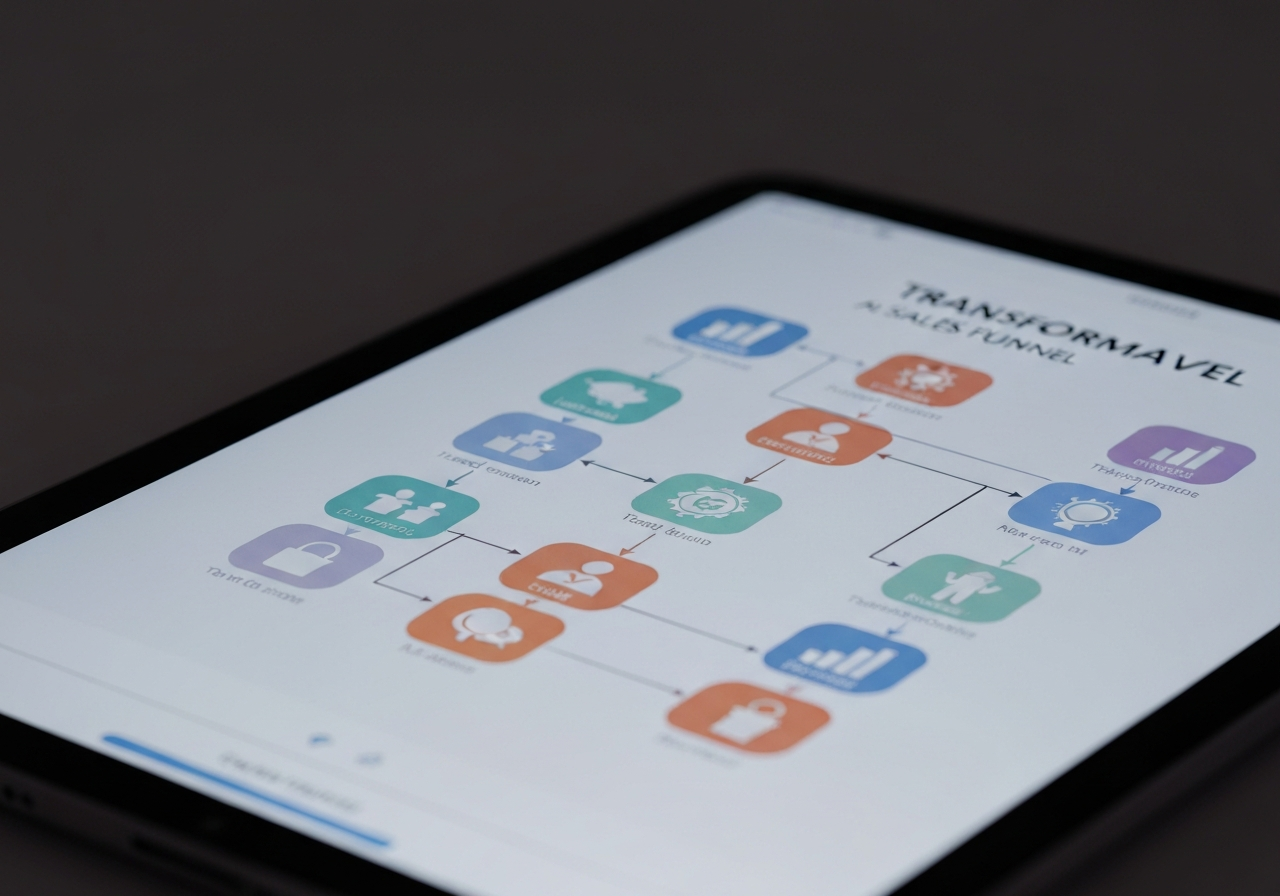 AI does not make a big change all at once. It helps make every stage of the sales funnel work better. You can use AI from the moment you get a stranger interested until you keep a customer happy. These AI tools help you get more out of every step and help things go faster. The real way to make your sales funnel better is to use AI in the right way.
When you know how people behave in each stage of the sales funnel, you can use specific AI tools that fit what you need. These tools help find the right leads and help move them to buy. The next parts show how you can use AI for sales funnel optimization and improve every stage of the sales funnel.
AI for Lead Generation and Awareness
You may not get the best results from your lead generation right now. AI changes how the first step of lead generation works by using data for precise targeting instead of big, general campaigns. AI looks at things like age, interests, and the things people do. It helps you find your target audience and get your message to the people most likely to care.
So, when you spend money on ads on social media or other places, it’s not a random guess anymore. AI can make your campaigns better in real time by changing how much you pay and who you target. With AI, your website gets smarter by tracking what your website visitors do and helps catch more leads.
Here’s how AI improves the stage where people first hear about you:
-
Automated Audience Research: AI tools use information and check data to spot your perfect customer, so you don’t have to do manual surveys.
-
Optimized Ad Campaigns: AI works on ad targeting and spending in real time to help you reach the right people at the right time.
-
Personalized Lead Magnets: AI can offer relevant content, such as an ebook or special discount, to people based on how they act on your site.
Personalization and Engagement with AI Tools
Sending the same message to every customer does not work. If you do not make your communication personal, you lose people’s attention. AI uses behavioral signals to find out what each customer needs. This helps you give the most relevant content to them that gets and keeps their attention. With this, the user experience turns from something passive to something more interactive.
There are practical AI-driven ways that help make each contact with your customer feel new and good. For example, AI is used for chatbots that give fast answers all day and night. These can answer questions and show visitors how to use a site without anyone being there. Staying quick and helpful is key for keeping people interested.
Look at these simple ways to help lift conversion rates:
-
AI-Powered Chatbots: Speak with website visitors right away, find new leads, and give answers any time.
-
Behavior-Triggered Content: Send emails or show offers that are based on what a person does, like visiting a page or downloading something.
-
Dynamic Website Personalization: Change website content or suggest products to match what someone likes or has done on your site before, all in real time.
Nurturing Prospects and Driving Conversions Using AI
Lead nurturing is one area where many sales funnels do not work well. When the follow-up is not regular and the message is too general, leads often lose interest and stop replying. AI helps by using smart tools to do this job for you. It spots good leads with predictive scoring, then starts sending emails with a personal touch or reaching out based on what each lead does.
This means each lead gets the right message at the right time. So, it becomes easier to build strong relationships on a big scale, and your sales team will not feel stressed. For example, let’s say someone downloads a whitepaper. AI starts sending that person emails with case studies and webinar invites. The messages change based on what the person opens or clicks on.
With AI, you talk to your leads often and give them what they need. This helps them remember your brand and pushes them to buy from you. You will see better conversion rates, along with good customer experience. Over time, you can keep more customers and build strong bonds with them. This is a better way to turn people’s interest into real action.
Step-by-Step Guide to Building an Automated AI-Driven Sales Funnel
Putting together an automated sales funnel is not something you can just turn on overnight. You need to have a clear sales strategy for it to work well. You should move away from using random marketing automation tools that do not work together. It is important to set up a system where sales funnel AI helps you at each step. This is how you make a process that draws in leads, keeps them interested, and turns them into customers without needing to do a lot by hand.
The steps below show a simple way to build your own AI-powered sales funnel. This guide will help you figure out your goals, pick the right tools, and build a way for ongoing improvement.
Step 1: Define Your Funnel Stages and Objectives
Before you start using any AI tool, you need to map out your sales funnel strategy. Think about what your ideal conversion funnel should be. You must define each step in the sales process, from when people first hear about you to when they buy. Set clear and measurable objectives for every stage.
Start by looking at your current sales process to find any roadblocks. See where things slow down or could go better. Ask who your target audience is and what each group needs at every step. Finding these answers is the first thing you should do. It will help you build a good automated funnel. If you do not have clear goals, using AI will not help and may not work right.
Your goals could be to get better leads, cut down how much time sales take, or increase conversion rates at a certain point. Knowing these will help you pick the right AI tools for your sales funnel. It will also show you the best way to measure your success.
Step 2: Choose and Set Up AI Solutions
Selecting the right AI tools is critical. Don’t choose a solution based on hype; select tools that align with your business’s needs and integrate with your existing sales operations. Look for platforms that offer capabilities across the funnel, from lead generation and predictive analytics to engagement and marketing automation.
An AI funnel builder is essentially a platform that combines several of these capabilities, allowing you to construct, automate, and manage your funnel from a central hub. These tools work by connecting different functions—like chatbots, email sequences, and analytics—into a cohesive workflow. The market is full of marketing tools, so choose wisely.
Step 3: Automate Data Collection and Lead Scoring
Your sales funnel AI can only be as good as the data it gets. To make it work well, you need to set up a way to gather customer data from every spot. This means getting details from website visits, email talks, and social media activity. These steps help give your system the information it needs for smart, intelligent automation. You get a complete look at what your prospects do.
When you have this data, start using automated lead scoring. AI algorithms look at the information you have. They check this against your historical data to find out which leads might turn into customers. This step helps your sales funnel by letting your sales team know where to put their energy, so they spend time with the leads that really matter.
This method cuts out guesswork and does not rely on people just going by gut feeling. You use true customer data, not just opinions. With this, your sales team won’t spend their days going after cold leads. Now, they get a list of hot prospects with real insights into what those people like or want. Your team can move fast and engage with these people in the right way.
Step 4: Implement AI for Personalized Outreach and Follow-Ups
This step is a quick and easy guide to using AI. AI helps you automate how you reach out to people. With this, no lead will slip away. The AI sends follow-up emails to customers based on what they do. Every email goes out at the right time and is to the point. This means your sales reps will not have to do repeated, boring follow-ups.
With this automation, your team can handle more customer interactions. They will not lose any quality with people. The AI makes sure each prospect hears from you at the right time with the right message. This can help you get more positive replies. Your sales reps can step in when they see someone is truly interested. They will have info ready to make that one-on-one chat count.
Keep making your outreach better by letting AI handle A/B testing. Try out different headlines, message texts, and calls to action. You see what gets people to respond and what does not. With this data, your automated messages can get better over time. This will help your sales reps get even more from every customer interaction.
Step 5: Monitor, Analyze, and Continuously Optimize Performance
An AI-powered sales funnel is not something you set up once and walk away from. The last and most important step is to always watch how it’s working, then use what you learn to keep making it better. Your marketing strategy needs to be flexible. AI helps by giving you up-to-the-minute info, so you can make smart changes fast. This ongoing focus on improvement is what helps the business grow in a way that lasts.
To understand how the sales funnel is doing, try using analytics tools like Google Analytics 4 or dashboards that are built into each platform. These tools use machine learning to show you what’s really happening and what may happen next. This helps you catch problems in the sales funnel before they get out of hand, really pushing business growth forward.
Sales funnel optimization strategies to keep in mind:
-
Track Key Metrics: Watch numbers like conversion rates as people move through each stage, click-through rates, and how much value each customer brings over time. This helps you see where people drop off.
-
Identify Drop-Off Points: Try behavior analytics tools like Hotjar to notice when and where people leave your sales funnel. Then, come up with some ideas on how to stop it.
-
Iterate and Test: Keep trying out new things in your funnel. That includes landing pages and email copy. Make these changes based on data you get, not guesses.
Use these sales funnel optimization tips with a flexible marketing strategy, lean on machine learning tools, and change up landing
Conclusion
In the end, using AI for sales funnel optimization is more than just a trend. It is a big change that can help your business get great results. AI tools make every part of the sales funnel smoother, from lead generation to reaching out to people in a way that feels personal. With these tools, you can work faster and connect better with your customers.
If you are clear about your goals and pick the right AI tools, you can make data collection and follow-ups much easier. This will help make sure that no one is left out. When you look at how things are going and see what the data tells you, it will help you make your work better over time.
The time to act is now. Start making your sales funnel better with AI by booking a free talk with our experts!
Frequently Asked Questions
How does AI automate the sales funnel process?
AI uses machine learning to make the sales funnel run smoother. It helps do tasks like lead scoring, putting in data, and sending follow-up emails that fit each person. This intelligent automation works across the entire sales process. Your team gets to spend time on talks that matter most while the system takes care of leads and finds ways to get better.
Can AI agents repair or improve broken funnels in e-commerce?
Yes, AI agents can fix a broken sales funnel in e-commerce fast. They look at how users move through your site and spot where people leave. The agents also use chatbots to talk to customers in real time if there is a problem. This helps remove things that get in the way for people. AI agents change the user experience to fit what each shopper needs. They help guide users back on track, so more people stay and buy. AI agents make sales funnel optimization easy by doing these steps for you.
How does integrating AI with a CRM impact sales funnel results?
Bringing AI into your CRM helps make the sales funnel stronger by adding smart details to customer data. The sales team can use this AI to do lead scoring without much work. They can talk to many people in a way that feels personal. Your team also gets tips in real time, which helps them work fast and connect better with customers. This means the process gets smoother, and the talks with customers get better. It also helps the conversion rates go up.