
Key Highlights
-
Your inbound marketing is failing if you’re not converting website visitors, with most businesses losing over 97% of potential leads.
-
An inbound conversion system is essential for turning anonymous website visitors into qualified leads for your sales process.
-
Stop relying on outdated CRMs; modern systems enrich lead data automatically and route prospects instantly, boosting conversion rates.
-
Aligning your sales and marketing teams is non-negotiable for maximizing lead generation and ensuring a smooth handoff.
-
Blending inbound capture with outbound engagement can deliver significantly higher close rates than using a single-channel strategy.
-
Continuous measurement and optimization are the only ways to improve your inbound conversion rates and drive sustainable business growth.
Introduction
Most B2B buyers now finish much of their buying process before they ever talk to a sales rep. Still, the sales process you use may not be set up for this change. Many businesses struggle with inbound marketing because they let the bulk of website visitors leave without taking action. The main issue isn’t about getting traffic. In fact, it’s about having a system that doesn’t work well. If your conversion rates are low, you have to stop saying it’s out of your hands. Instead, learn how to build an inbound marketing system that changes website visitors from people who just look, into real revenue.
Understanding the Inbound Conversion System
 An inbound conversion system is a new way to get and win over people who find your business from your content. This system is made for the way buyers act today. People like to look things up on their own and talk to a company when they feel ready. The system does not use pushy sales tricks. It has a smarter plan.
Instead of always talking about your products, this way brings people in by giving them valuable information. It uses lead generation and marketing automation to help guide prospects along the way. The goal is to be there when people need you and to help them. So when it is time for someone to make a move, they will think of your business first. This way, your sales team gets more leads that know your business and are ready for inbound sales.
What Is an Inbound Conversion System in Sales?
An inbound conversion system changes how sales usually work. Instead of you reaching out, it helps your target audience find you first. The system uses things like blog posts to bring people to your website. The goal is to give value at every step. In this way, your website becomes a good tool for lead generation instead of cold calls.
This method works by turning the people who visit your site into prospects you know. When a visitor reads a blog post or watches a video, they get a chance to trade their contact information for something useful—like a case study or a free trial. This lets you get their details in a way that is helpful for both sides, not pushy.
By looking at everything from the customer’s view, you make sure each step is right for them and comes at a good time. The leads you get here are better because they chose to reach out. This often means higher conversion rates, and your sales team can work smarter. So, not only do you get more leads, but they are also more likely to buy.
Key Differences Between Inbound and Traditional Sales Approaches
The contrast between inbound sales and traditional methods is stark. Traditional, or outbound marketing, relies on interruption. Think cold calls and generic email blasts where sales reps initiate contact, often with unsolicited sales pitches. The focus is on finding customers and pushing a product, which is becoming less effective with today’s informed buyers.
Inbound marketing, conversely, is about attraction. It centers on creating valuable content that pulls potential customers in. With inbound sales, the prospect initiates contact after finding your business through search engines or social media. This methodology focuses on providing value and building trust before a sale is ever mentioned.
While they seem opposed, many successful businesses integrate both inbound and outbound strategies. However, understanding their fundamental differences is crucial for building a system that respects the modern buyer’s journey.
|
Tactic |
Inbound Sales |
Traditional (Outbound) Sales |
|---|---|---|
|
Initiation |
Prospect initiates contact |
Sales rep initiates contact |
|
Focus |
Providing value and education |
Extracting value and making a sale |
|
Method |
Content creation and education |
Direct sales outreach |
|
Approach |
Customers find the business |
Business finds the customers |
Why Inbound Conversions Matter for Business Growth
The growth of your business has a lot to do with how well you can get and turn inbound leads into customers. If you depend only on outbound tactics, it will cost more and the results may not last. Getting inbound leads and seeing higher conversion rates helps your business grow. People who are already interested in your value proposition are more likely to become your customers.
When people reach out to you first, they are often better suited for what you offer. They know they have a need and think you may have the answer. Because of this, you often get higher conversion rates and a smoother sales process. You do not waste time convincing people, but instead work with those who truly want to talk to you.
A strong strategy for inbound conversions can help you build real connections that last. It can also help grow your brand’s good name. By giving valuable information, your company stands out as someone people trust, not just a seller. This trust builds up over time and brings even more people to your business, so you have a steady way to grow.
The Core Elements of a High-Performing Inbound Conversion Framework
 A winning inbound conversion plan is not magic. It works because the parts fit and move well together. The whole thing has four main pieces. These pieces work as one to help turn people you do not know into people who buy from you. You need to get good at each part if you want to see a real change in how much money you make.
These parts are lead capture, data enrichment, lead scoring, and lead nurturing. When someone comes to your site, this plan helps to move them along. It finds out who they are, checks how interested they may be, and uses lead nurturing to keep them interested until they are set to speak with sales. If you do not have these four things, your inbound work can get messy fast. It will not work as well as you hope.
How Lead Capture Works in Inbound Sales
Lead capture is the first step in the sales funnel. This is when someone unknown becomes a possible customer. Here, you get the person’s contact information, like their email address. You do this by offering them some useful information or a special offer. This is the main point where your inbound marketing work can start to show results.
This idea is not about tricking people to get their data. It is a fair exchange. You give the visitor something good. In return, they share a way for you to reach them again. For the best results, your lead generation should use lead generation tools that make the process easy. Tools like well-set forms and landing pages help a lot.
Many old CRMs do not work well here. They use long forms that many people do not want to fill out. Modern lead capture methods use this as a way to improve. These ways are:
-
Progressive Profiling: Get the info you need by asking simple questions in steps over time, not all at once.
-
Visitor Tracking: See which companies are coming to your site even if nobody puts in their contact information.
-
Form Enrichment: Take one piece, like an email address, and let lead generation tools find all the other data you need about a person.
Essential Steps for Setting Up an Inbound Conversion System
Setting up a good inbound sales system is more than just making content. You need to have a step-by-step lead generation process in place. This helps you manage, qualify, and grow leads from the first contact until they are closed. If you don’t have a system set up, you might get traffic but not turn it into money for your business.
The first step is to find out who your ideal customer profile is. You have to know who you want to go after before you try to talk to them. Use data to see what problems they have and what they need. After you find your ICP, you should make a content plan that helps fix their problems and shows you as an expert. This content helps pull people into your inbound sales engine.
It is just as important to have a clear sales process and use marketing automation. This makes things simple from start to finish. You need to decide when a marketing lead moves to a sales-ready lead and what the next step is after that. The system should work well and move fast. This means:
-
Defining Lead Qualification Criteria: Write down what steps make a lead ready for the sales team.
-
Establishing a Lead Nurturing Process: Use timed emails and automation to keep leads interested.
-
Choosing the Right Technology: Pick tools that can keep track of your leads and send out reminders or follow-ups.
-
Measuring and Optimizing: Watch how well your process works. Make changes to
Aligning Sales and Marketing for Maximum Conversion
If your sales team and marketing team do not work together, you lose money. For an inbound system to work well, both of these teams need to be in sync. The marketing team has to bring in visitors and get leads. The sales team then turns these qualified leads into customers. If each team works alone, the leads are not handed over smoothly. You can lose good leads this way.
The first step is for both teams to agree on what a “qualified lead” is. The sales team and the marketing team need to set up rules, often using a lead scoring system. With these rules in place, marketing can go after the right people. Then sales gets leads who are ready to buy.
When sales and marketing work together, the sales process gets better for everyone. The marketing team gets feedback from sales about lead quality, and this helps make future campaigns better. The sales team gets leads who are prepared, plus info on what people are interested in and how they behave. Being on the same page like this is the best way for both teams to turn more leads into customers.
Effective Strategies to Boost Inbound Lead Conversion Rates
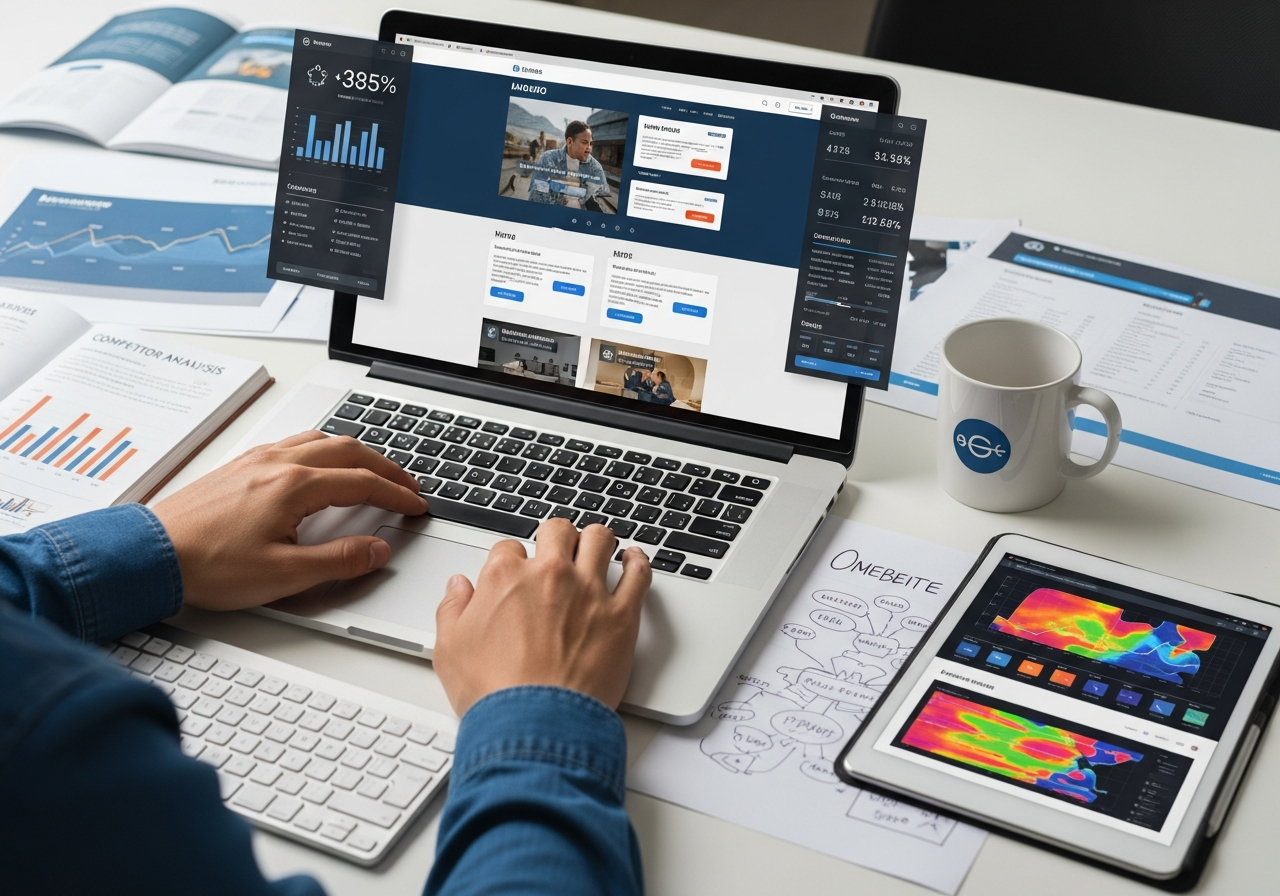 Getting more website traffic by itself will not fix your lead conversion problem. You need to use targeted steps to turn casual visitors into qualified leads. To get optimal conversion rates, you must focus on bringing in the right people and make it very easy for them to take the next step.
Your content, landing pages, and engagement tools have to work together to help people move forward in your funnel. Do not just hope people become leads—make it happen with a plan. The steps below are must-haves if you want your inbound efforts to work well and get you real results.
Content Marketing to Attract Qualified Leads
Your content marketing is not working if it does not bring in qualified leads. Making content just to fill your website or blog is a waste of both time and money. Every blog post, video, or case study has to talk about what the people you want as customers want or need. This is the real way to get website visitors who turn into buyers.
The main goal is to give out valuable information that helps people deal with a problem or need help with something. This also builds trust and shows others your brand stands out. When website visitors know you are a good source of good information, they want to learn more and will move further into your sales funnel.
If you want your content to bring the right audience and get more people to take action, you have to make content for every step of the buying process. This way you can reach people at every stage and match what they are looking for. Your content marketing plan should include:
-
Top-of-funnel content: Blog posts and social media updates to help with brand awareness.
-
Middle-of-funnel content: E-books and webinars that let you get contact information.
-
Bottom-of-funnel content: Case studies and free trials to push people to buy.
Optimizing Landing Pages for Conversions
Your landing page is the place where people decide to take action. If your landing page is messy, hard to understand, or asks for too much information, you might lose leads. A landing page should only make the visitor do one thing, like download a guide or sign up for a demo. Every part of the page needs to help people get to this next step.
Landing pages that get high conversion rates are simple and clear. You should have a strong headline, easy-to-read writing, and a clear call-to-action (CTA). When forms are too long, it makes people leave. It is good to only ask for the contact details you need for the next step.
Do not build your landing pages and leave them alone. Always test new ideas and change things to bring in more leads. Just one small change can help with your lead generation. Try to make your landing page better by making sure you:
-
Have a single, clear call-to-action.
-
Use a clean, uncluttered design.
-
Keep forms as short as possible.
-
Ensure the page loads quickly on all devices.
Leveraging Real-Time Conversion Tools
Waiting hours or days to reach out to an inbound lead is not a good idea. In today’s world, speed means a lot. Real-time conversion tools are a new technology that helps you talk to people right when they are most interested. This can give you a much better chance to turn them into customers. These tools make your website feel more like a busy sales floor instead of just a digital brochure.
How does it work? These tools use marketing automation to spot people who want to buy and talk to them right away. So, when someone from a company you want to work with looks at your pricing page, the system will alert the right sales rep or start chatting live.
This way, you do not miss a good chance. It lets you quickly talk with potential customers, answer their questions, and help them move along in the sales process. Real-time tools you can use are:
-
Live Chat: Talk with visitors on your website right away.
-
Intelligent Routing: Automatically send your best leads to the best sales rep in just minutes.
-
Visitor Identification: Find out which companies are looking at your site and reach out to them first.
Leveraging CRM for Better Inbound Conversions
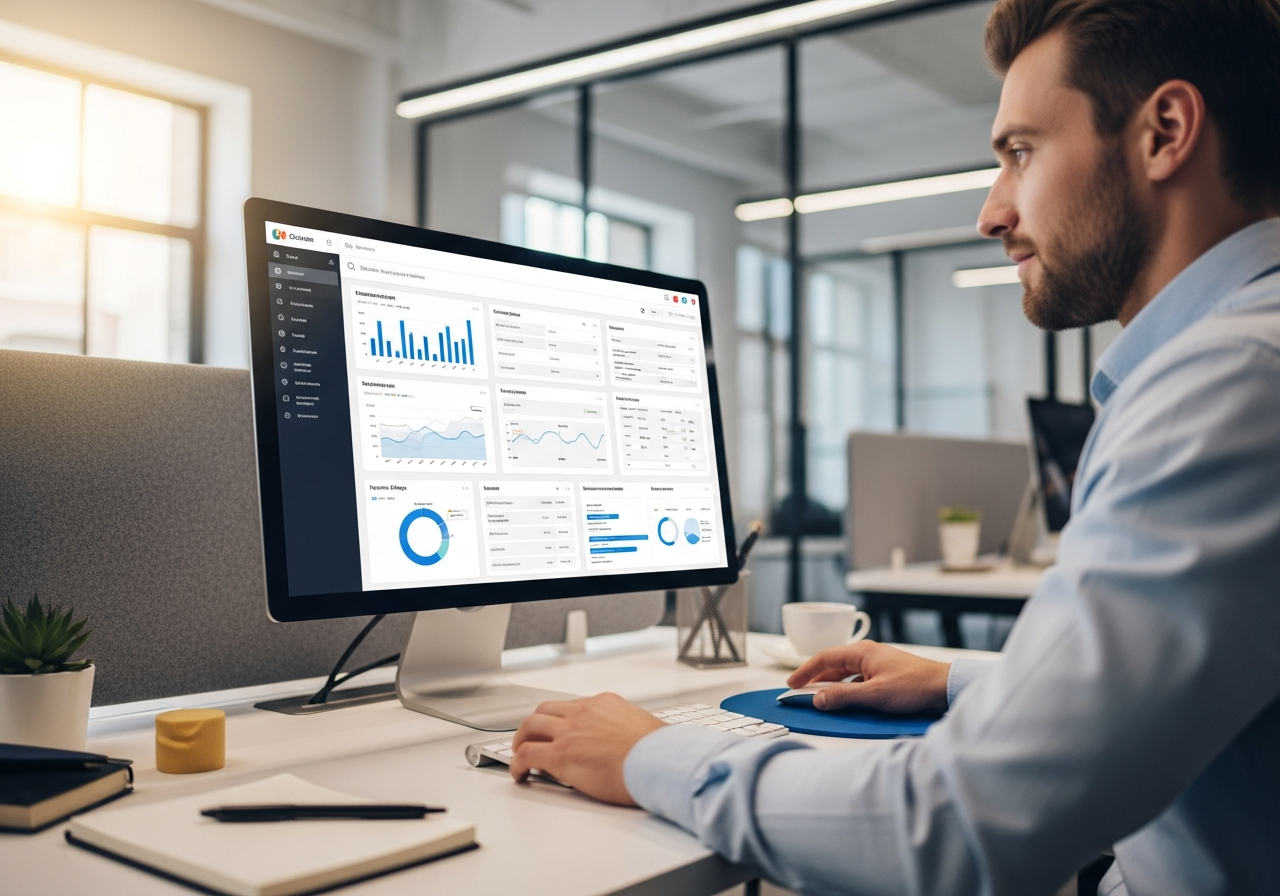 Your old CRM might slow you down. Most of these tools help you work with customers you already have, but they do not help much when you want to capture or turn new inbound leads into customers. If you want better conversion rates, you need a CRM that is made for modern inbound sales. It should handle good lead data and help you do key things without you having to do all the work.
A CRM made for inbound sales will be the main tool your sales team can use for conversion. It follows inbound leads from the start. It fills in their details on its own. It gives your sales team all the info they need for outreach that feels one-on-one. Do not force yourself to use a tool that is not fit for the job. Pick a CRM that is built to help you grow.
Role of CRM in Tracking Inbound Leads
A CRM is key for any good inbound conversion system. It is used as one database where all your inbound leads go. It tracks every step from when someone first comes to your website until you close the sale. If you don’t have a strong CRM, your lead data ends up all over the place and your sales process can get messy.
The CRM gathers lead data from places like lead forms and live chats. Then it puts this information together to build clear profiles of each person, or prospect. This lets your sales rep know which pages the lead has looked at, what content they have downloaded, and all past talks with your company.
Having all this in one CRM gives your sales rep what they need to follow up the right way. Your team won’t have to use a guess again approach. Now, your sales rep can reach out about things the person cares about, leading to better and higher conversion rates. Here’s what a good CRM does to help you get the most from your inbound leads and improve your sales process:
-
Tracking Lead Sources: Learn which way brings you the best leads.
-
Recording Engagement History: See every time a lead connects with your brand.
-
Centralizing Prospect Information: Put all important lead data in one place for your team.
-
Automating Data Entry: Save time, cut down on mistakes, and keep your lead data correct.
Integrating CRM With Your Conversion Process
It is not enough to just have a CRM. The CRM needs to be a part of your whole sales process. If your CRM is all by itself, it makes silos in data and the whole system does not work well. This can hurt your sales process and lower your conversion rates. You get the most out of your CRM when you connect it with your marketing automation platforms and all the other sales tools you use.
This kind of integration helps the information move fast and easy. When you get a new lead in your marketing automation platform, all that engagement data should go straight to your CRM. Your sales team should get this information right away, with no need for someone to copy it by hand.
Also, a CRM that works well with everything else can make things happen by itself. For instance, when a lead gets to a certain score in your CRM, it can go into a special email group or a sales rep will take care of the lead right away. This kind of automation helps your sales process, lets your team act faster, and makes sure you do not miss out on any leads.
Automating Follow-Up and Nurturing Sequences
Most inbound leads are not ready to buy right away. If you do not keep in touch with them, you will lose out on more money. The best way to work with these leads is lead nurturing. With marketing automation, you stay on their mind and send them valuable content. You keep giving them helpful things until they want to buy.
Automated email marketing plays a big role in this. Your CRM checks a lead’s actions and details. It then sends out the right emails with useful information. The goal is to get people to keep talking with you. This does not take time from your sales team because it happens on its own.
The best practice is to set up lead nurturing steps based on where leads are in their journey. For example, a lead who asks for a first guide gets different content than someone who looked at your pricing. This way, your messages stay more useful and match what they need.
Important ways to follow up with inbound leads include:
-
A welcome email series for new leads.
-
Nurturing tracks based on lead score or behavior.
-
Re-engagement campaigns for inactive leads.
-
Post-conversion follow-ups to ensure customer success.
Measuring and Improving Your Inbound Conversion Rates
If you do not measure, you just guess. To get better at your inbound system, you need to always keep track of your conversion rates. You should look for chances to get better. It’s important to use data, not just look at easy numbers, to see lead quality and how people act.
To measure well, you need to watch the most important numbers at each step, from when someone first visits to when there is a deal. When you look at this data, you can spot problems, make your lead scoring better, and try new ways to do things. Do not just hope for good results. Use data to make better results with your lead quality and conversion rates. Test often and use lead scoring to help plan your next move.
Key Metrics to Analyze Inbound Performance
To find out how your inbound is doing, you need to look at more than website traffic. It is important to check the numbers that show if your lead conversion is healthy. These metrics help you know what’s good, what’s not, and where you should put in the work to make things better.
The main metric to watch is your overall lead conversion rate. This is about how many website visitors do what you want them to do on your site. But you need to go deeper than this. Check conversion rates at each step, like from someone visiting the site to becoming a lead, and from lead to a new chance for sales. This is how you find out where people are not moving ahead.
To get good, or optimal, conversion rates, pay attention to numbers that show not only how many, but also how good your leads are. Don’t worry about numbers that don’t help you make more money. Focus on what really matters, like:
-
Visitor-to-Lead Conversion Rate: How many website visitors turn into leads.
-
Form Conversion Rate: How well your landing pages and forms make people sign up or share info.
-
MQL to SQL Rate: The number of qualified leads from marketing that sales thinks are good enough.
-
Inbound-Sourced Pipeline: How much money comes from what you do with inbound.
Watch these numbers and you will know where you stand with lead conversion, website visitors, conversion rates, qualified leads, and how your
Interpreting Conversion Data and User Behavior
Collecting conversion data is not helpful if you do not know how to understand it. The numbers can tell you about your website visitors, like who they are, what they want, and why they are not converting. It is important to understand user behavior, because this helps you find problems in your lead generation process. It also helps you make better decisions.
Try to find patterns in the data. Are visitors leaving your forms at a certain field? Do leads from one channel have a much lower conversion rate? These things can show that there is a big problem with your strategy. For example, you can get a lot of visits but still have few conversions. This might mean your content and what your audience needs do not match.
When you look at how users move through your site, what content they look at, and where they leave, you can get a better idea of the customer journey. This will give you more ways to improve your lead generation process than just doing simple A/B testing. You can then make real changes that fix what is hurting conversions, so you can help more people complete each step on your site.
Continuous Testing and Optimization Techniques
Your inbound system will never really be “done.” The best way to get and keep high conversion rates is to test often and make updates all the time. What people want and the online space can change fast, so you need to be ready to shift your plans to match. There could be something that works now, but it may not work later.
If you want better results, have a clear testing plan. Don’t just make small or random changes. Try using A/B testing to check out different versions of a landing page, an email, or a call-to-action button. This will help you find what brings better results so you can use real facts to improve.
Be sure you don’t only test one thing. You should try to get better with every part of your conversion funnel. The best way to see better results from your inbound marketing is to always try new things and see what works best. There are key places where you can make changes and see more people take action, like:
-
Landing Page Elements: Try heading lines, different words, box fields, and changing up CTA buttons.
-
Content Offers: Try out new types of content to learn which people like most.
-
Email Nurturing Sequences: Test out subject lines, what day or time to send, and watch how your words work.
-
Lead Scoring Models: Try to make your rules better by watching which leads really turn into new customers.
Conclusion
To sum up, learning how to use the inbound conversion system is more than just a plan. It is a big change in the way people handle sales in business. When you use this system, you help marketing and sales come together. This makes sure that every lead is found, talked to, and turned into a customer in a good way.
You need to focus on making your landing pages better, use your CRM tools the right way, and keep testing what works. Doing these steps will help your business improve conversion rates and grow in a solid way. Don’t let old ways of selling slow you down. Now is the best time to change how you sell.
Reach out to us to start making the most of your inbound conversions and grow your sales.
Frequently Asked Questions
What are proven methods for increasing inbound lead conversions?
Some of the best ways to do well are to make good content marketing pieces that people find useful. You should also make your landing pages clear, so people know what to do. Another good idea is to use A/B testing. This helps you see what works best in your marketing campaigns.
It’s also very important to make sure your sales team and your marketing team work closely together. This way, you can turn more qualified leads into customers. If you do all these things, you can get better conversion rates.
How does a real-time inbound conversion tool improve sales results?
A real-time conversion tool helps your inbound sales by connecting with people right away. It uses features like live chat and smart lead routing. This way, with marketing automation, the sales process gets faster. Your team can talk to leads when they are most interested. This also gives your business a much better chance to get new customers.
What post-conversion follow-up processes should I implement for inbound leads?
After someone is interested, the best practice is to set up an automated follow-up. Start with a lead nurturing welcome series through email marketing. This welcome series should give them more valuable content. Doing this helps people remember your brand. It also guides inbound leads to make a decision to buy.